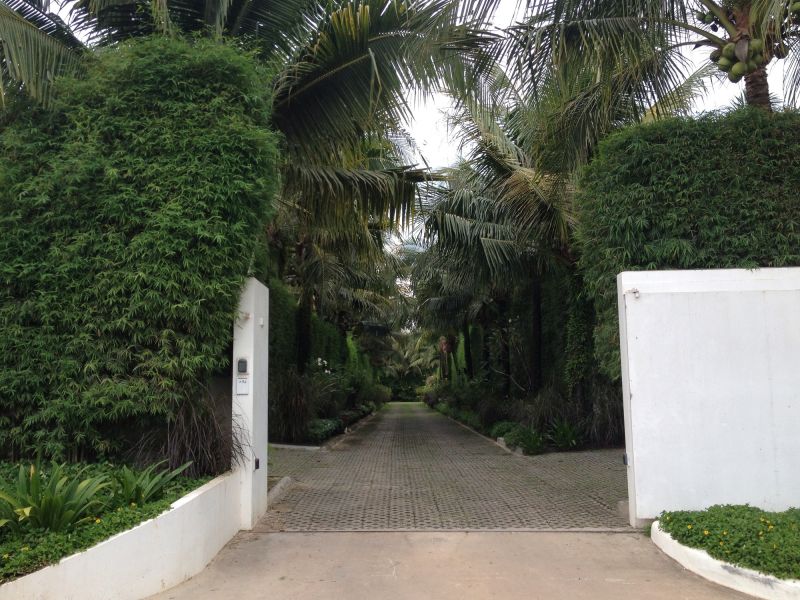
Privacy Trees Planting in Ventura County, CA
Privacy trees planting services focus on selecting and establishing trees that enhance privacy and create natural screening around residential properties. These projects typically involve planting fast-growing or dense species in strategic locations to block views, reduce noise, and provide a sense of seclusion. Property owners often consider factors such as the size and growth habits of trees, the best placement for maximum privacy, and how the new plantings will integrate with existing landscaping when requesting these services.
Homeowners planning privacy tree installations usually want to understand the types of trees suitable for their specific property conditions, including soil, sun exposure, and space constraints. It’s also common to inquire about maintenance requirements, the expected growth rate, and how the trees will affect views or existing structures over time. Clear information on these aspects can help property owners make informed decisions about their privacy landscaping projects.
Many property owners in Ventura County, CA look into Privacy Trees Planting for repairs, replacements, upgrades, and appearance-related improvements.
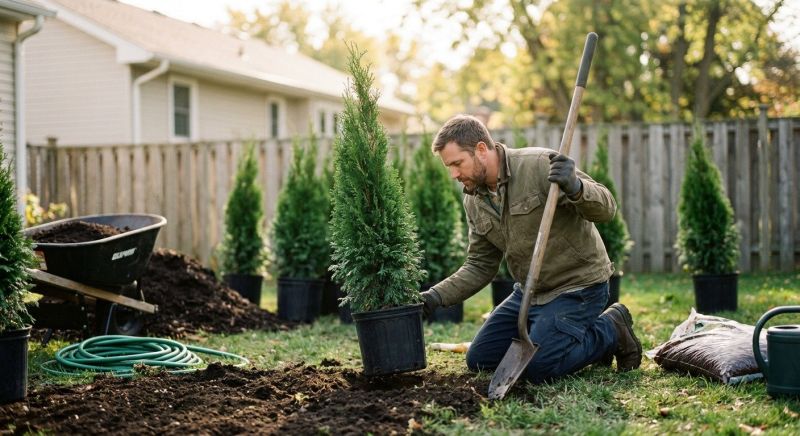
Privacy Tree Selection
Choosing the right trees can enhance privacy while complementing your landscape.
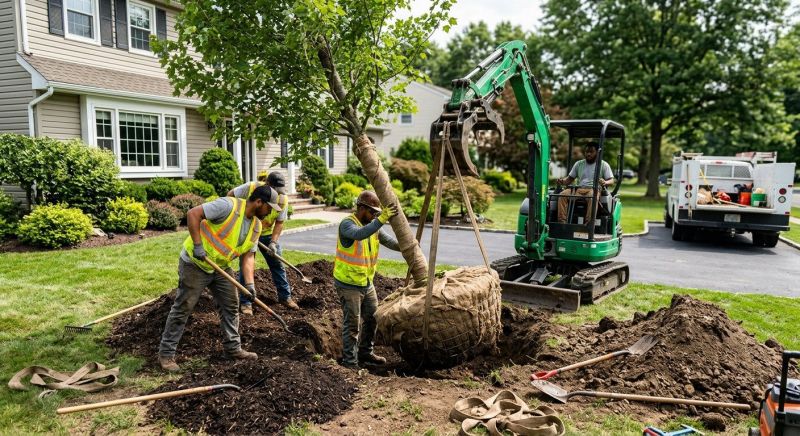
Planting And Maintenance
Proper planting and ongoing care ensure healthy growth and effective privacy screening.
Property Enhancement
Strategic tree placement can improve your property's aesthetics and provide natural privacy solutions in ventura county, ca.
Privacy Trees Planting in Ventura County, CA
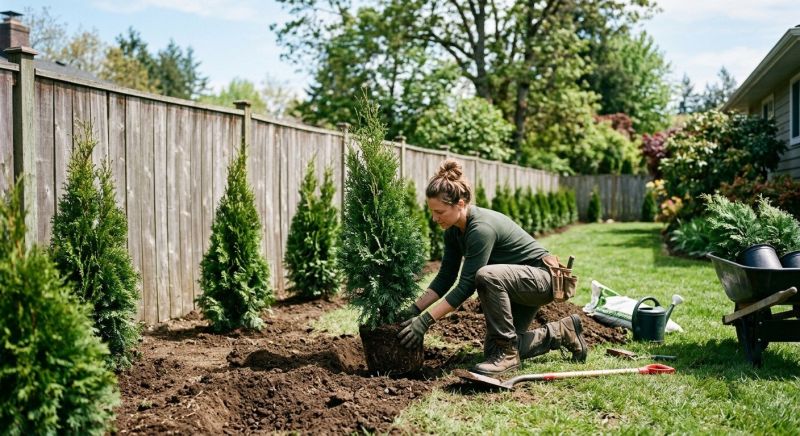
Privacy trees planting services focus on selecting and establishing trees that enhance privacy and create natural screening around residential properties. These projects typically involve planting fast-growing or dense species in strategic locations to block views, reduce noise, and provide a sense of seclusion. Property owners often consider factors such as the size and growth habits of trees, the best placement for maximum privacy, and how the new plantings will integrate with existing landscaping when requesting these services.
Homeowners planning privacy tree installations usually want to understand the types of trees suitable for their specific property conditions, including soil, sun exposure, and space constraints. It’s also common to inquire about maintenance requirements, the expected growth rate, and how the trees will affect views or existing structures over time. Clear information on these aspects can help property owners make informed decisions about their privacy landscaping projects.
Many property owners in Ventura County, CA look into Privacy Trees Planting for repairs, replacements, upgrades, and appearance-related improvements.
Common Privacy Trees Planting Jobs
Tree planting - planting new trees to enhance property shade and beauty.
Tree preservation - maintaining existing trees through careful planting and care.
Ornamental tree installation - adding decorative trees to improve landscape appeal.
Shade tree planting - selecting and planting trees to provide cooling shade.
Fruit tree planting - establishing fruit-bearing trees for home harvests.
Native tree planting - choosing local species to support regional growth and resilience.
Privacy Trees Planting Questions
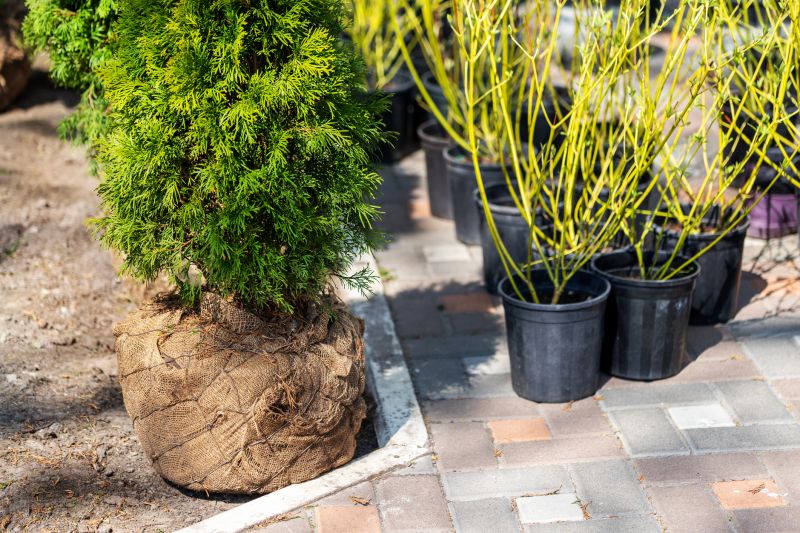
What are Privacy Trees? Privacy trees are strategically planted to create natural screens that block views and add seclusion to outdoor spaces.
What types of trees are suitable for privacy purposes? Fast-growing evergreen trees and dense shrub varieties are commonly used for privacy planting.
How should privacy trees be spaced? Proper spacing depends on the tree species and desired coverage, typically ranging from 3 to 10 feet apart.
Are privacy trees appropriate for residential properties? Yes, they are often used to enhance privacy, reduce noise, and improve the aesthetic of home landscapes.
Request Privacy Trees Planting in Ventura County, CA
Use the quote form on this page to share the basics of your project and request more information for the type of work you need.